
Key Traits for Playground and Sports Turf
In this day and age, we have options when it comes to establishing a new lawn. While sowing seed initially seems budget-friendly, instant turf is a premium investment that delivers a mature, walkable surface without the long-term headaches. But how much money are you really saving? When it comes to creating a successful lawn, you’ll generally have to decide between sowing seeds and laying turf, and each comes with a very different process and timeline.

In short:
- Turf costs more upfront but gives you immediate ground cover, with no bare soil, helping reduce erosion, and no head start for weeds.
- Seed is generally cheaper upfront, but once you factor in erosion repair, re-seeding bare patches, and months of tracking mud and dust through the house, it’s often the more expensive option overall.
- Sydney’s climate, with warm, wet growing seasons and plenty of sloped blocks, makes the seeding gap especially risky, particularly if a heavy downpour hits before the grass has had a chance to establish.
- A seeded lawn generally needs more frequent attention during germination and the first few weeks than newly laid turf.
Seeding vs Instant Lawn: A Quick Comparison
| Seed | Instant Turf | |
|---|---|---|
| Establishment time | Typically weeks to germinate, then several months to a year for full, walkable cover. | Days to root into the soil, mowable within a couple of weeks. |
| Initial cost | Lower upfront cost for the seed itself. | Higher upfront cost, priced by the roll or square metre. |
| Long-term cost/effort | Ongoing watering, re-seeding bare patches, weed control and erosion repair often add up to more than turf. | Establishment costs are largely one-off, with normal mowing, feeding and maintenance from there. |
| Erosion control | None until the grass roots knit together; bare soil is exposed and vulnerable the whole time. | Immediate ground cover and an existing root mat that holds the soil in place from day one. |
Establishment timelines are a general guide only. They vary by grass species, the season and temperature at sowing, and how well the soil was prepared beforehand.
Preparing the Soil
Whether you’re sowing lawn seeds for the first time or replacing a tired lawn, the basic preparation is similar, and getting the site ready properly matters just as much as what you plant on top of it. This is where the real work happens, and it’s worth doing properly no matter which way you go:

- Spray out the existing lawn area to kill off old grass and weeds before you start working the soil.
- Till and decompact the ground to break up compacted soil so roots, air and water can actually get down into it.
- Add soil amendments suited to your soil type. Gypsum can help break up sodic clay specifically, but it isn’t a universal fix for heavy soil, so it’s worth checking your soil type (or getting it tested) before relying on it. Mix in sand and organic matter as well to improve nutrients and drainage.
- Add quality topsoil over the area so whatever you plant is growing into fresh, healthy soil rather than what’s left of the old lawn.
Rake the area level and firm once you’re done. These steps create the foundation of a successful lawn whichever way you go, and once that’s finished, the two paths split: you either scatter seed and wait, or you roll out instant turf, and you’re basically finished.
Practical Challenges to Expect With Seeding
On paper, seed looks simple. In practice, the gap between “seed in the ground” and “lawn you can actually use” is where most of the real headaches show up.
Once seeded, it can take a few weeks for the seed to germinate, even in the warmer growing months of spring and summer. The first few weeks after sowing are the most fragile, especially if hot weather arrives before germination is complete and the young seedlings dry out. During that entire window, you’ve got freshly prepared, bare soil sitting exposed, and bare soil rarely stays that way for long in Sydney.
Those same ideal conditions of warmth and moisture that trigger your grass to sprout also invite a fresh crop of weeds to surface. Warmth and moisture, so while you’re waiting on your new grass, you’re very likely growing a fresh crop of weeds right alongside it, on the same patch of freshly amended, weed-friendly soil. Some seed packs from the hardware store don’t always specify exactly what’s in the blend either, and a poor blend suited to the wrong site only adds to the weed competition.
If your block has any slope to it, bare-seeded soil is genuinely at risk during a heavy downpour. Sydney’s growing season isn’t short of them: a typical summer storm can dump a serious amount of rain in a short burst, and on exposed, freshly prepared soil that water doesn’t soak in evenly, it runs. That means washed-out topsoil, and often deep ruts cut straight through the area you just spent time and money preparing, which then need to be repaired and reseeded before you can start again. Established, drought-tolerant turf varieties like Kikuyu and Couch hold a slope together far better once they’re established, but a newly seeded lawn simply doesn’t have that protection in its first season.
Freshly spread grass seed sitting on top of bare soil is an easy target for birds and other pests, who will happily eat a good portion of it before it ever gets the chance to germinate. This is a normal part of the process of growing a lawn from seed, but it still means lost seed, lost time, and patches you’ll likely need to go back and fix.
Even once it’s up, there’s still plenty of exposed dirt showing through until the grass has time to fill in, meaning a muddy yard after rain and a dusty one in dry weather. Getting to a full, even cover you can walk on without tracking mud or dust indoors can take several months, sometimes up to a year.
All of this matters because seedling grass is more vulnerable than established turf. It’s more vulnerable to foot traffic, weather extremes, and weed competition right when it’s least equipped to handle any of it, which is exactly why these issues tend to snowball rather than resolve themselves.

Looking Beyond the Upfront Cost
Seed is generally the more affordable option upfront, but the time you’ve paid for repairs and lost a season of use, turf is usually the more affordable option, and generally the better option overall. The sticker price on a bag of seed looks appealing next to a quote for instant turf, but that comparison rarely holds up once you account for everything that happens after the seed goes down. If the same area repeatedly fails, that’s a sign the underlying soil prep wasn’t right the first time.
Repairing deep erosion ruts on a slope means bringing in fresh topsoil, re-levelling the area and re-seeding the affected patches, essentially redoing a chunk of the job you already paid for once. Bare patches left by birds, pests or poor germination need the same treatment. Add in months of extra watering to keep germinating seed alive, ongoing weed management, and cleanup from a muddy, dusty yard, and the total can easily outstrip what turf would have cost, before you even count the months spent without a usable lawn.
Instant Turf: Immediate Coverage With Faster Establishment
Because turf arrives already grown, none of the above applies. When you buy instant turf, it doesn’t matter what time of year you’re installing:
- Instant lawn, immediate coverage. A newly laid lawn looks and functions like an established one from day one, not months later.
- Instant soil stabilisation. There’s no erosion problem to manage, meaning all the hard work you put into preparing the ground stays exactly where you placed it, rain or no rain.
- Instant mud and dust suppression. The area is covered from day one, so there’s no bare-soil window for mud or dust to become a problem in the first place.
- Instant weed competition. A dense, established lawn is already out-competing weeds for light, water, and space, and you’ll typically be mowing within weeks rather than months.
- An established ecosystem, not just grass. You’re not simply buying blades of grass; you’re investing in an already-established root system, organic matter, and the soil ecosystem that comes with it.
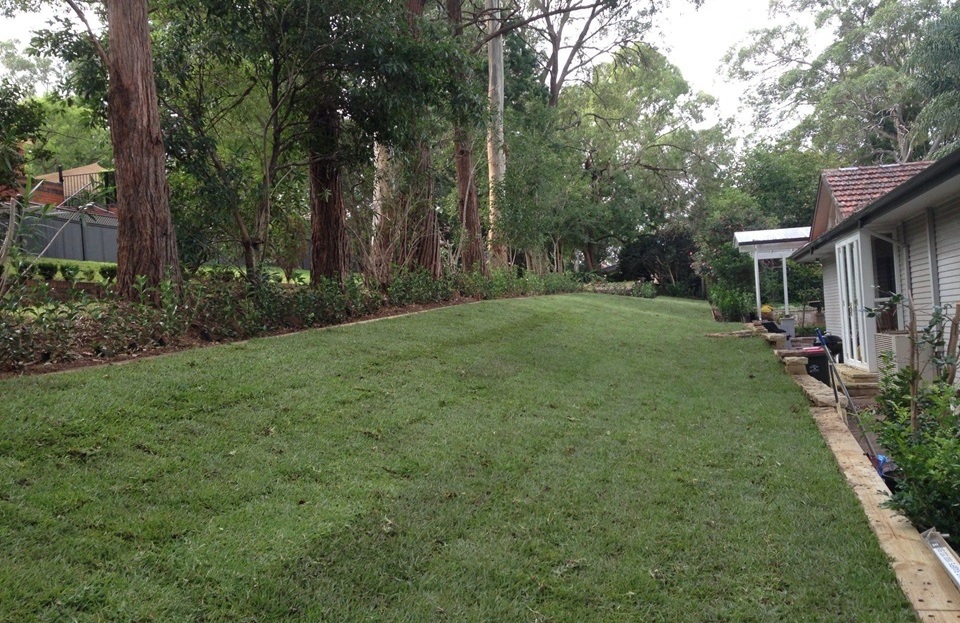
Ready to Skip the Mud and Get Straight to a New Lawn?
If you’d rather have a usable, weed-resistant lawn in weeks instead of months of mud, dust and re-seeding, Rivers Edge Turf grows various types of turf on our own farms in the Hawkesbury Valley, including drought-tolerant Couch and Kikuyu suited to Sydney’s warmer months, along with Buffalo and Zoysia for shadier yards. Our team can help you choose the right variety for your yard, then supply and install it properly, soil preparation included, so you get all the benefits of an established lawn from day one. Get in touch with us for advice on your project or a quote on turf supply and installation.


